
"parchment grade"
500 article(s) found

Knowledge of high-quality coffee beans processing of coffee beans
There are two ways to prepare coffee beans for coffee roasting. The method chosen has a significant impact on the final price and quality of coffee. The cheapest method of processing is called drying, which is used for lower-grade coffee beans, while higher-quality coffee beans are processed by wet treatment. Drying is used for unwashed coffee beans. Wet treatment for thoroughly washed or semi-washed
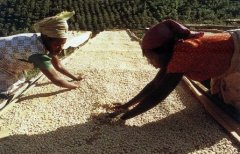
Boutique Coffee Science explains the processing of coffee beans in detail
There are two ways to prepare coffee beans for coffee roasting. The method chosen has a significant impact on the final price and quality of coffee. The cheapest method of processing is called drying, which is used for lower-grade coffee beans, while higher-quality coffee beans are processed by wet treatment. Drying is used for unwashed coffee beans. Wet treatment for thoroughly washed or semi-washed

Processing of coffee beans processing methods of high-quality coffee beans
There are two ways to prepare coffee beans for coffee roasting. The method chosen has a significant impact on the final price and quality of coffee. The cheapest method of processing is called drying, which is used for lower-grade coffee beans, while higher-quality coffee beans are processed by wet treatment. Drying is used for unwashed coffee beans. Wet treatment for thoroughly washed or semi-washed

What are the processing methods of coffee beans? Drying and washing method
There are two ways to prepare coffee beans for coffee roasting. The method chosen has a significant impact on the final price and quality of coffee. The cheapest method of processing is called drying, which is used for lower-grade coffee beans, while higher-quality coffee beans are processed by wet treatment. Drying is used for unwashed coffee beans. Wet treatment for thoroughly washed or semi-washed

What is the flavor of bourbon varieties of Mayogi cooperative in Gicumbi coffee producing area of Rwanda? Mayogi cooperation
Professional coffee knowledge exchange more coffee bean information please follow the coffee workshop (Wechat official account cafe_style) Rwanda Gicumbi coffee producing area Mayogi cooperative bourbon variety flavor? Introduction to the story of Mayogi cooperative? The Mayogi cooperative is made up of a group of 108 farmers. Due to lack of understanding of coffee processing, cooperatives rented processing units to private owners. 2012
High-quality coffee to learn the processing of coffee beans
Sun-dried coffee beans [Pirajui in Sao Paulo, Brazil] there are two ways to prepare coffee beans for roasting. The method chosen has a significant impact on the final price and quality of coffee. The cheapest method of processing is called drying, which is used for lower-grade coffee beans, while higher-quality coffee beans are processed by wet treatment.
Coffee processing technology Coffee beans
The fruit of dried coffee beans [Piragui in Sao Paulo, Brazil] There are two ways to prepare coffee beans for the roasting process. The method chosen has a significant impact on the final price and quality of coffee. The cheapest method is called drying, which is used for lower quality coffee beans, while higher quality coffee beans are processed by wet processing.
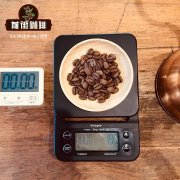
What is the coffee wet planing method? Manning coffee wet planing coffee treatment
Professional coffee knowledge exchange more coffee bean information please follow the coffee workshop (Wechat official account cafe_style) semi-washing (Semi washed method) semi-washing, also known as wet peeling or wet planing. Unlike other treatments, coffee beans are not directly dried to a moisture content of 1112%, but are removed when the moisture content is about 3035%.
Processing of fresh coffee beans
Wet treatment requires the use of specific equipment and a large amount of water. When properly operated, it can ensure that the original quality of coffee beans is better preserved, producing homogeneous coffee beans with few bad beans. As a result, coffee beans produced in this way are generally considered to be of better quality and charge higher prices. Even after careful harvest, a certain amount of underdried and undercooked coffee
On the processing of coffee beans
There are two ways to prepare coffee beans for the baking process. The method chosen has a significant impact on the final value and quality of coffee. The cheapest method of processing is called "drying", which is used for lower-grade coffee beans, while higher-quality coffee beans are processed by "wet treatment".

Introduction to the treatment method of grinding degree for describing the taste and flavor of Ethiopian Sidamo Chiso coffee
Sidamo Shakiso production area a) Gr-1 is available both in washing and in the sun, on the condition that there are zero defects and Premium Cup. Whether it's washing or tanning, Gr-1 rates the boutique of the boutique or Cup ofExcellence coffee. B) the lowest level of sun-tanned Sheffield and Sidamo is Gr-4, unlike Gemma with Gr-5. But if sunny snow is the general exporter of Gr-4, Egypt will use

Processing method of coffee beans in Rwanda Coffee washing station hand-classified coffee cherry processing steps
Throughout Rwanda, coffee beans are usually processed by wet processing. This is largely due to the efforts of modern people to invest time, energy and resources to develop public cleaning stations for the countless traces of coffee and cherries that need to be processed each year. Many of the small farms involved in the business are unable to create large independent washing stations like large coffee farms around the world. This is because most farmers

Factors affecting the quality of coffee beans in terms of harvest, processing, treatment and storage
The annual winter, that is, the dry season is the harvest time for coffee beans. After three to four years of growth, the coffee trees gradually mature and begin to bear fruit. The fruits are arranged in strings or clumps next to the branches. The coffee beans are wrapped in a red coat and can be picked as soon as they turn red. Most Arabica coffee beans mature in June and August, while Robasta coffee beans mature in September and October, so although

Two methods for processing fresh coffee beans: wet treatment and drying
Wet treatment requires the use of specific equipment and a large amount of water. When properly operated, it can ensure that the original quality of coffee beans is better preserved, producing homogeneous coffee beans with few bad beans. As a result, coffee beans produced in this way are generally considered to be of better quality and charge higher prices. Even after careful harvest, a certain amount of underdried and undercooked coffee

Variety characteristics of Kenyan Coffee treated with Wumei Flavor
In addition to having obvious and charming fruit acidity, Kenyan coffee is mostly from small coffee farmers, planted in a variety of different environments, encounter different climate and rainfall every year, and bring a variety of distinct and unique personalities. Take the AAPlus grade "KenyaAA+Samburu" as an example, the 2001 Samburu has a strong black plum flavor, low acidity and strong taste, and was newly picked in the winter of 2002.
Detailed explanation of two methods in the processing of Coffee fresh beans
Wet treatment requires the use of specific equipment and a large amount of water. When properly operated, it can ensure that the original quality of coffee beans is better preserved, producing homogeneous coffee beans with few bad beans. As a result, coffee beans produced in this way are generally considered to be of better quality and charge higher prices. Even after careful harvest, a certain amount of underdried and undercooked coffee
Detailed explanation of two methods in the processing of fresh coffee beans
Wet treatment requires the use of specific equipment and a large amount of water. When properly operated, it can ensure that the original quality of coffee beans is better preserved, producing homogeneous coffee beans with few bad beans. As a result, coffee beans produced in this way are generally considered to be of better quality and charge higher prices. Even after careful harvest, a certain amount of underdried and undercooked coffee
Detailed explanation of two methods in the processing of raw coffee beans
Wet treatment requires the use of specific equipment and a large amount of water. When properly operated, it can ensure that the original quality of coffee beans is better preserved, producing homogeneous coffee beans with few bad beans. As a result, coffee beans produced in this way are generally considered to be of better quality and charge higher prices. Even after careful harvest, a certain amount of underdried and undercooked coffee

Coffee common sense what is the processing of coffee beans
There are two ways to prepare coffee beans for the baking process. The method chosen has a significant impact on the final value and quality of coffee. The cheapest method of processing is called drying, which is used for lower-grade coffee beans, while higher-quality coffee beans are processed by wet treatment. Drying is used for unwashed coffee beans. Wet treatment used for thorough cleaning or semi-cleaning.
Fine Coffee Science explains the processing of coffee beans in detail
There are two ways to prepare coffee beans for the baking process. The method chosen has a significant impact on the final value and quality of coffee. The cheapest method of processing is called drying, which is used for lower-grade coffee beans, while higher-quality coffee beans are processed by wet treatment. Drying is used for unwashed coffee beans. Wet treatment used for thorough cleaning or semi-cleaning.